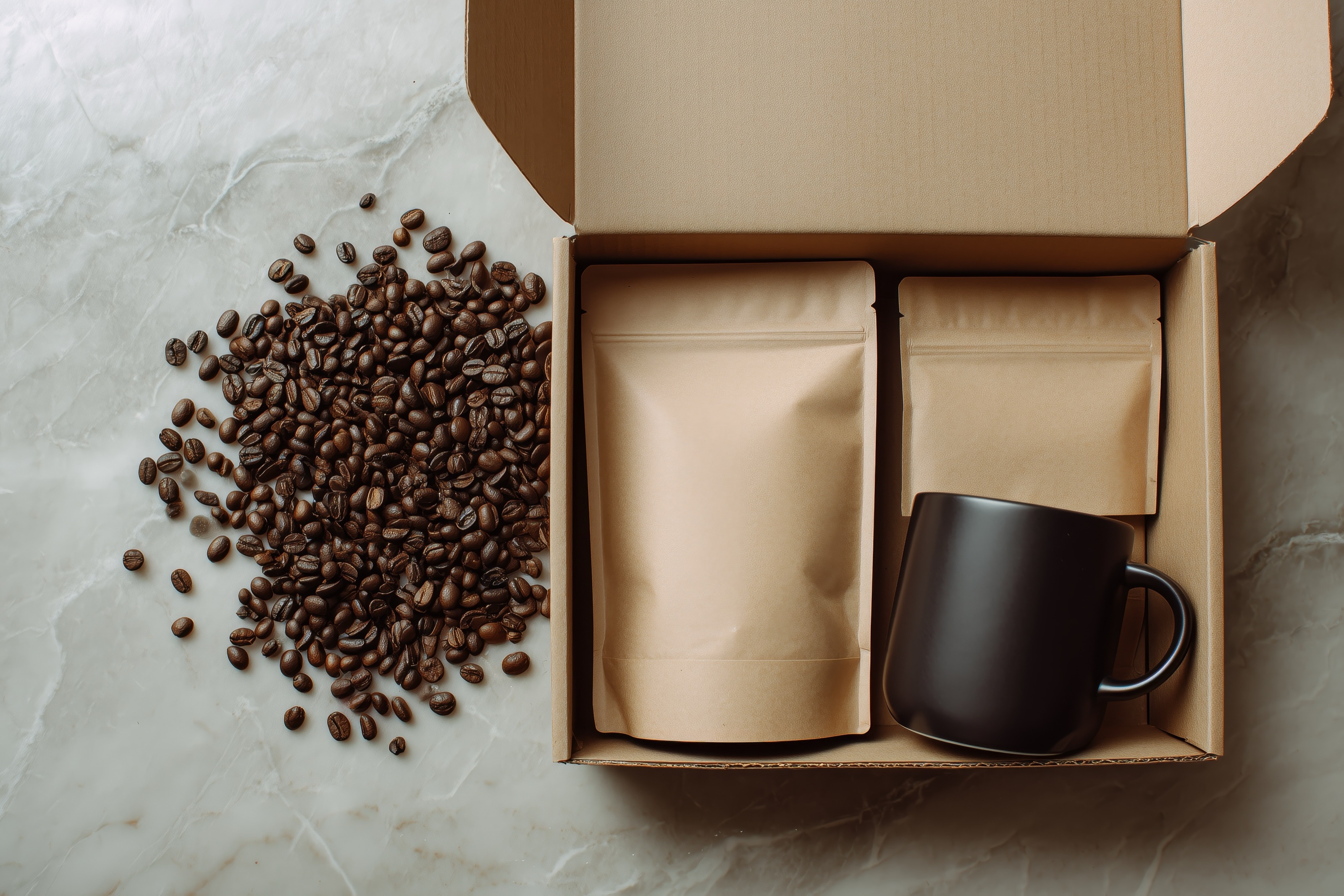
This guide is written for ecommerce teams that care about fewer damages, cleaner delivery experiences, and lower avoidable shipping costs. The exact packaging you choose should match your product value, fragility, destination, carrier service, and customer expectations. For coffee roasters, subscription brands, and specialty food sellers, packaging is not only a fulfillment step; it is part of the product experience. Poor packaging can lead to damage claims, refunds, bad reviews, and support tickets that could have been avoided with a smarter packing workflow.
If you are searching for how to package coffee bags for shipping, the most important things to solve are aroma loss, crushed gussets, torn seams, and subscription-box consistency. This guide walks through the materials, packing steps, shipping choices, and mistakes to avoid so your coffee bags arrive looking intentional, protected, and ready for your customer to enjoy.
Quick answer
The best way to package coffee bags for shipping is to prepare the product, protect the vulnerable areas, choose packaging that limits movement, fill empty space, seal the package securely, and apply a clear shipping label on the largest flat surface. For ecommerce orders, your goal is simple: keep the item protected while avoiding a box that is larger or heavier than necessary.
Materials you may need
For most coffee bags shipments, start with poly mailers for small soft bags, rigid mailers for premium packs, and boxes for multi-bag orders. Keep a few box or mailer sizes on hand so your team does not default to an oversized package. Oversized packaging can increase cost and create more room for the product to move during transit.
Step 1: Inspect and prepare the product
Before packing, inspect the item and confirm it is clean, dry, complete, and ready to ship. For whole-bean coffee, ground coffee, sample packs, and multi-bag bundles, the preparation step is where you catch small issues before they turn into customer complaints. Keep bags upright, protect one-way valves, and prevent odor transfer. If the order includes accessories, samples, instructions, or promotional inserts, group them before you start building the final package.
Step 2: Protect the highest-risk areas
Every product has a failure point. With coffee bags, the common risks include aroma loss, crushed gussets, torn seams, and subscription-box consistency. Protect those areas first instead of wrapping the entire item the same way. This makes the package safer without adding unnecessary bulk.
Use enough cushioning to absorb vibration and impact, but do not create pressure that bends, cracks, leaks, or distorts the product. If you are packing multiple units, separate each item so the products cannot rub, collide, or transfer scent, color, oil, or dust during transit.
Step 3: Choose the right outer packaging
The right outer package should fit the product closely while leaving room for protective material. For lightweight or soft coffee bags, a mailer may be enough. For fragile, premium, heavy, or giftable orders, a box is usually the safer choice.
A good ecommerce packaging rule is to choose the smallest package that still allows the item to be protected on all sides. This improves presentation and can help control shipping cost because carriers may consider both actual weight and package dimensions.
Step 4: Fill empty space and prevent movement
Once the product is inside the package, test for movement. Gently shake the sealed-but-not-taped package. If you hear or feel movement, add more void fill or switch to a better-fitting package. The goal is not to stuff the box until it bulges; the goal is to keep the coffee bags from shifting when the package is tilted, stacked, or handled.
For bundles, separate components into logical groups: the main product, accessories, inserts, and paperwork. This helps the customer unpack the order cleanly and reduces the chance that one part damages another in transit.
Step 5: Seal the package securely
Use pressure-sensitive packing tape and seal every open edge that could split during handling. For boxes, use the H-taping method across the center seam and the two side seams. For mailers, make sure the adhesive strip is fully closed and reinforced when the shipment is heavy, bulky, or traveling a long distance.
Step 6: Apply the shipping label correctly
Apply the shipping label to the largest flat surface. Do not wrap the barcode around an edge, place it over a seam, or cover it with tape that creates glare. A clear label helps carriers scan the shipment and reduces avoidable delivery issues.
If your team uses Deliveri, you can create labels, compare available carrier options, and keep shipping workflows organized from one place instead of jumping between separate carrier portals.
Shipping cost considerations
When shipping coffee bags, cost is usually driven by package weight, dimensions, service level, destination, and optional services such as insurance or signature confirmation. The easiest way to overspend is to use a package that is much larger than the item needs. The easiest way to create damage is to use packaging that is too small or too weak.
For small businesses, the right balance is a package that feels deliberate, protects the item, and avoids unnecessary dimensional weight. If you ship coffee bags often, standardize two or three packaging configurations so your team can pack faster and quote shipping more consistently.
Common mistakes to avoid
Do not over-compress valve bags; the package should protect freshness and presentation, not flatten the product.
Other common mistakes include using recycled boxes that have lost strength, placing the label over a seam, skipping leak protection when liquids or oils are involved, shipping high-value orders without insurance, and packing every order the same way regardless of distance, service level, or product fragility.
Ecommerce packaging checklist
Before the order leaves your workspace, confirm that the coffee bags are clean, wrapped, cushioned, immobilized, sealed, labeled, and matched with the right service level. The customer should receive an order that feels intentional, not improvised.
FAQs
What is the best way to ship coffee bags?
The best way to ship coffee bags is to use packaging that protects the product-specific weak points, prevents movement, and keeps the outer package as compact as safely possible.
Can I ship coffee bags in a mailer?
Sometimes. Soft, lightweight, or already-protected coffee bags may work in a mailer. Fragile, high-value, giftable, or multi-unit orders usually deserve a rigid box.
How do I reduce shipping costs for coffee bags?
Reduce shipping costs by right-sizing the package, avoiding unnecessary void space, comparing carrier services, and standardizing packaging sizes for common order types.
Should I insure coffee bags shipments?
Insurance is worth considering when the order value, replacement cost, or customer expectation is high. It is especially important for fragile, collectible, custom, or limited-inventory products.
What should I do if customers report damaged coffee bags?
Review photos, identify the failure point, and adjust the packaging configuration. Damage patterns usually reveal whether the issue is movement, weak corners, poor cushioning, moisture, heat, or box strength.
Final thoughts
Learning how to package coffee bags for shipping is really about building a repeatable shipping workflow. Once you know the product risks, materials, box sizes, and carrier options that work best, your team can ship faster and with fewer mistakes.
Deliveri helps ecommerce brands simplify that workflow with shipping labels, carrier options, tracking visibility, and fulfillment tools built for growing merchants. If packaging protects the order, Deliveri helps move it with clarity and control.